Ducks are pretty cool. They can walk, run, swim, dive, and fly. But did you know that ducks can be intersex, with the same individual having both female and male traits?
This is such a fascinating wild nature story that I have to tell you about. For me personally, this resonates because I like ducks, but also because intersex ducks are basically FTM (female-to-male). Ducks aren't trans in the same way as humans are, but I think it's super interesting that they can transition in a similar way.
I'm also really excited to share our new hand-illustrated duck mascot with you - big reveal at the end of this post!
Mallard ducks have male and female traits which are easily noticeable to humans. Males grow the classic green, gray, and white feathers during breeding season, and have a bright yellow bill and curly tail feathers. Females have brown mottled feathers and a dark gray and orange bill.
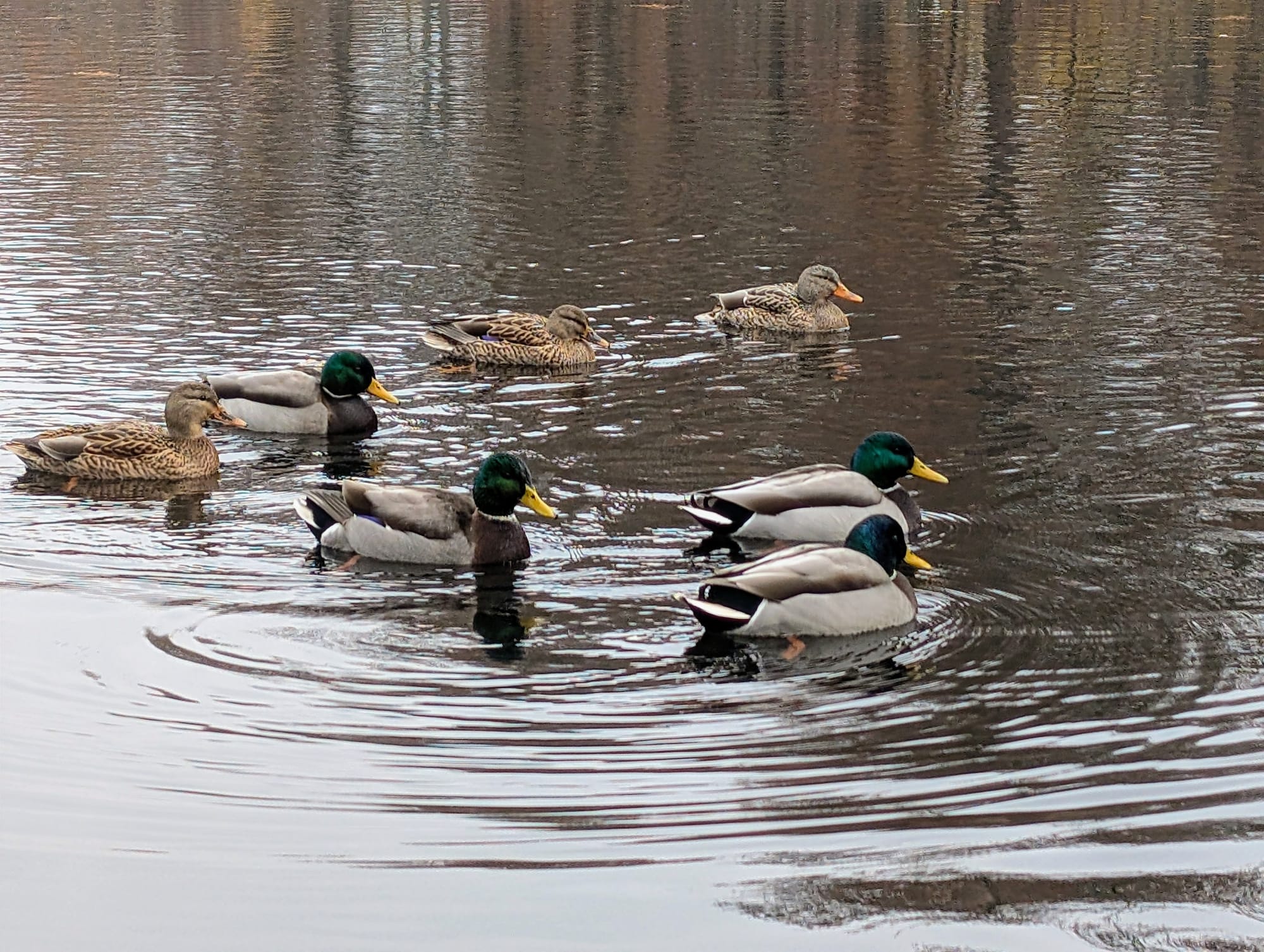
I've seen many mallard ducks in my life, but I've never noticed an intersex mallard. I would immediately let you know if I ever meet one, but for now, I'll share some photos and videos from others so you can get an idea what they look like.
Here's a photo of an intersex duck that someone shared on Wikimedia Commons:
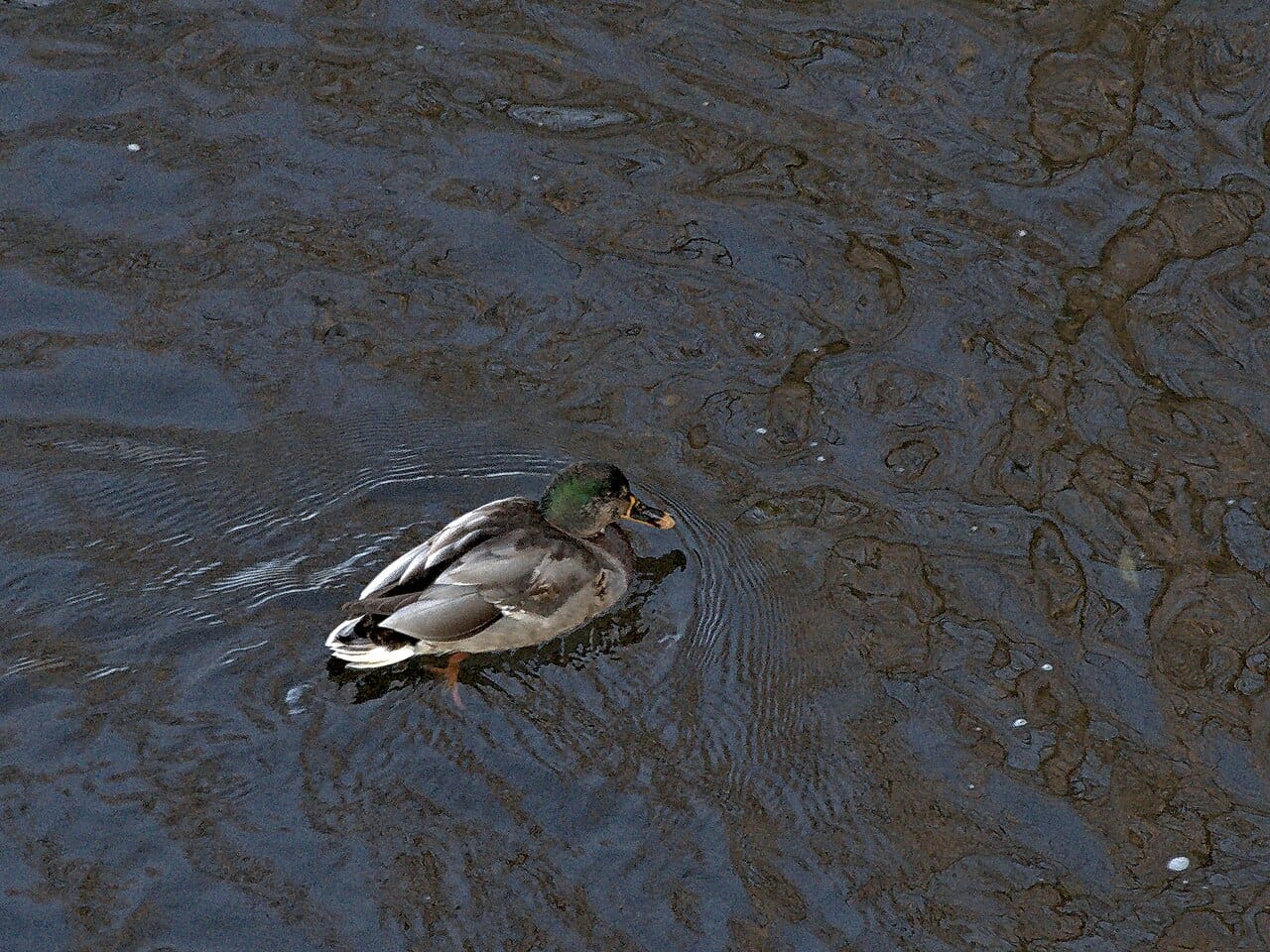
You'll notice this duck has green head feathers, white feathers in the tail, and the gray and yellow bill usually associated with females. Interesting, right? That means the duck started growing male-color feathers later in life.
Here's some interesting videos showing intersex mallards in the wild:
This intersex mallard's mate is still hanging out with them even though they have transitioned. A good role model for humans in relationships also I think!!
An artist photographer took photos of the same duck from 2015 to 2021. This is fascinating because it shows the progression over years from female to male traits. It also shows that this individual lived for at least several years while intersex, an average-to-long lifespan for a wild mallard. This video shows the sequence of photos:
So why do some ducks develop intersex features?
Well, female ducks have one ovary. (Their other gonad is dormant or vestigal.) Male ducks have two testes. These gonads produce hormones such as estrogen and testosterone, chemical messengers telling the body what to build.
If the one ovary of a duck gets damaged or stops producing hormones, this previously female-looking duck will start developing male features. Their bill will not change color later in life (this is one of the best ways to identify an intersex individual) but their feathers and behavior will change to more closely resemble a male duck.
Birds use a different chromosome system than mammals. While mammals including humans have XX or XY chromosomes, among other combinations, birds have ZZ (male) or ZW (female).
All mallard ducks, regardless of chromosomes, have the genetic instructions for how to make green head feathers, curly tail feathers, etc.
In a female duck, estrogen suppresses the male-colored feathers. But then if the ovary is damaged, the duck will start growing new feathers with male colors.
What about humans?
Although these ducks do not decide to medically transition like humans do, I can see some similarities to humans shifting their hormone balance towards more testosterone and developing characteristics like facial hair. We all have the genetic instructions for certain traits, and hormones, not chromosomes, directly determine whether some traits are expressed.
However, it's important to make a distinction between being intersex and being trans. They are not the same thing. Intersex babies are generally assigned a sex at birth, and some intersex adults are trans and some are not.
Intersex traits are a natural part of human variation which can feel invisible due to stigma and the lack of conversation on such topics. Depending on the definition, between 1 in 2,000 people and 1 in 60 people are intersex. The higher end of the range is around the same as the number of people who have red hair or green eyes.
When we say gender is a spectrum, we're not just talking about mental self-image (although that's important). Our physical bodies are all on the spectrum of variation of "male" and "female" traits.
Nature is wild, right?
I'd love to meet an intersex mallard someday. I find them quite fascinating, if you can't already tell!
I constantly find myself amazed by what's possible in nature. That sense of awe and wonder feels like such an important part of being human.
Drumroll please
I'm incredibly excited about this!!!
We have a new duck mascot for Amplify Respect!!
New. Duck. Mascot!!
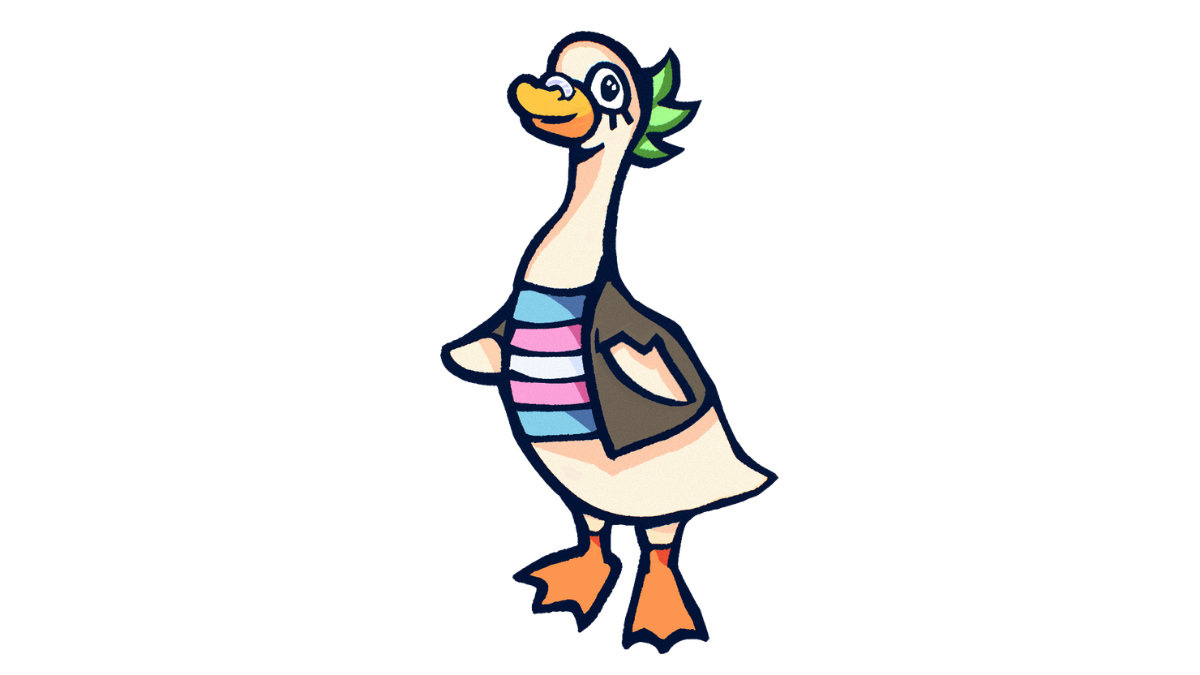
Don't you just love how cute they are?
This character is definitely trans, probably transmasculine non-binary, as you can tell from their fashion statements, and not necessarily intersex. And I'm not sure what their chosen name is yet - they will let me know when they figure it out!
This duck was created by the amazing Lillian Schrag, a talented artist and student at SUNY Purchase. Lillian is taking commissions, so if you're interested in an excellent illustration for yourself, please reach out via their website:
What do you think? Seen any interesting birds lately? Want cute duck stickers?? Let us know in the comments!