I'm so pleased to welcome Esther Lemmens, founder and host of the Fifty Shades of Gender podcast, to Amplify Respect today. Esther interviews trans and queer people about their identities and digs into what those labels mean.
Esther’s work forms an amazing collection of hopeful stories to raise awareness and understanding. Multiple people recommended that I should talk to her, and I'm honored by the opportunity to share her insights and expertise.

I just want to quickly share an article I co-wrote before we talk to Esther:
Check out the article I co-wrote with Lex Roman on healthcare options for freelancers
If you were interested in my post about affordable, accessible health care options, or, if you're an entrepreneur or freelancer, you should read What US-based entrepreneurs are doing for healthcare in 2026 besides just paying more money on Revenue Rulebreaker:
 Rey Katz
I've learned so much from Lex and highly recommend subscribing. Lex's Legends is a truly valuable and inspiring online community. An entrepreneur I met in one of their online mixers actually introduced me to Esther Lemmens (and I met Kari Ginsberg, author of Hey Glitterbomb! who I interviewed also.)
If you're looking for community among cool creative entrepreneurs, this is the place!
Amplify Respect is a newsletter to uplift and inform trans folks and allies.
If you find it helpful to learn how to talk about a trans family member, how to promote your work as an LGBTQ+ creator, or how to write about trans people respectfully, you should subscribe.

Esther Lemmens shares strategies for discovery, understanding, and hope
I've really been enjoying listening to conversations with queer and trans people on Fifty Shades of Gender.
Check out this episode featuring my friend Renée Yoxon, trans voice teacher! (I hadn't heard the term maverique before, and I love that they use the word to express gender in a declarative way, as opposed to a lack of male or female gender.)
I'm so excited to share my collaboration with Esther Lemmens! Let's dive in.

Rey: You’ve talked to a lot of trans people about their journeys and transitions. Do you have any advice for trans people who are anxiously in the middle of figuring something out, whether it’s coming out to family, getting gender-affirming surgery, starting hormones, or changing a name?
Esther: You are valid, and your identity is valid, no matter if or when you decide to (or feel safe to) come out, or tell anyone. Really know that. Internalise that. Then, take it one step at a time. There is no pressure, no time limit. You’re not too late. You know who you are, even if you can’t find the language for it. And you’re allowed to change your mind and let it evolve.
If/when you feel ready, start sharing with someone you trust, or even anonymously online. Experiment. Let yourself say things and hear them, then tune into how that feels. You are discovering yourself as well as creating yourself! There is no wrong answer; you are in charge.
Rey: Some people (usually people who are part of society's norms) don't like identity labels. But you start off every episode asking about identity labels as a conversation starter. Why do you think labels for identity are useful and what can we learn from them?
Esther: Ha, indeed! Labels can be useful, or they can be the opposite. That’s for everyone to decide for themselves. I find labels to be helpful for understanding ourselves, making sense of our life journey, communicating with others, and finding common ground.
We can learn so much from sharing our experiences with each other; this connects us to our common humanity, which opens up a space to invite in more compassion, understanding, and acceptance.
Rey: What can we do to make our communities better for trans people? Do you have any recommendations for allies?
Esther: I love this question.
First and foremost, listen to people when they tell you about their experience of their own identity and understand they are right, because they know themselves best. Then, see what arises in you. Judgements? Assumptions?
Whatever it is, notice that. Get curious about it. Question your own thoughts with self-compassion. You can, and are, allowed to change your beliefs. As they say, once you know better, you can choose to do better. By all means make amends if you feel called to, but don’t beat yourself up over it (we can be so hard on ourselves. I know I can.).
Also, get curious about your own gender. Why are you the gender you are? Pick it apart a little bit; what inside you is gender, what is sex, what is sexuality? They’re probably all entangled, which is due to societal programming. Getting to know and understand yourself will also help you understand others.
Being an active ally will mean getting comfortable with being uncomfortable; getting things wrong, perhaps being challenged or confronted. It can be vulnerable and raw. Be honest with yourself about how that would feel, and consider what you may say or do differently in future.
When you realize you’ve made a mistake, address it as soon as possible. For example, it’s better to say something like “I think I got your pronouns wrong earlier/yesterday/last week (or whenever it was). I’m so sorry. I’ll do better.” rather than saying nothing and hoping the person didn’t notice (they did).
And if you’re not able to say something, let yourself off the hook. We’re all dealing with our own stuff and sometimes our nervous system won’t let us speak up when we want to because it feels unsafe. Address that gently, too.
Soften that inner critic and dedicate yourself to helping your inner voice to become kinder, with a big dose of self-compassion.
Rey: What brings you hope?
Esther: Wow, I had to think about this question for a while.
One thing that helps me stay hopeful is self-caring well. That’s not the answer I was expecting, but it makes sense; protecting myself and my energy from all that’s going on in the outside world is essential for me as a highly sensitive and high-masking (and burned out) neurodivergent person, because it can so easily get overwhelming and quickly lead to hopelessness.
What also brings me hope is focusing on the good in the world. The media has the tendency to focus on awful things, shine a light on them, put sad music behind them, and throw them at us 24/7, which can make us believe that that’s all that’s going on in the world. I have switched off from most of that.
I have strong boundaries around this, I won’t apologize for it, and I don’t care if people judge me for ‘putting my head in the sand’. If there is something I really need to be aware of, I’ll find out about it from people I know. I’m not denying that awful things happen, but I actively choose not to look at them for too long, and I absolutely refuse to absorb them and let them poison me.
Instead, I remind myself that so many good things happen, too. Kind things. Compassionate things. Uplifting things. Joyful things. Noticing those, embodying that energy and projecting it out into the world, is the key, I believe, to positive change. It starts with us.
We are not powerless. Feeling good is rebellion and I embrace it!
I am actively deconditioning, unlearning, deprogramming, and decolonising. I continuously question everything, especially my own thoughts and beliefs, with curiosity and compassion, accepting the things I cannot change or control, and playfully immersing myself in the things I can.
I’m committed and dedicated to spreading magical, wholesome and empowering things!
Rey: Thank you so much, Esther, for sharing your expertise and a strong vision of hope with our community. I really appreciate you!
Check out the excellent Fifty Shades of Gender podcast:


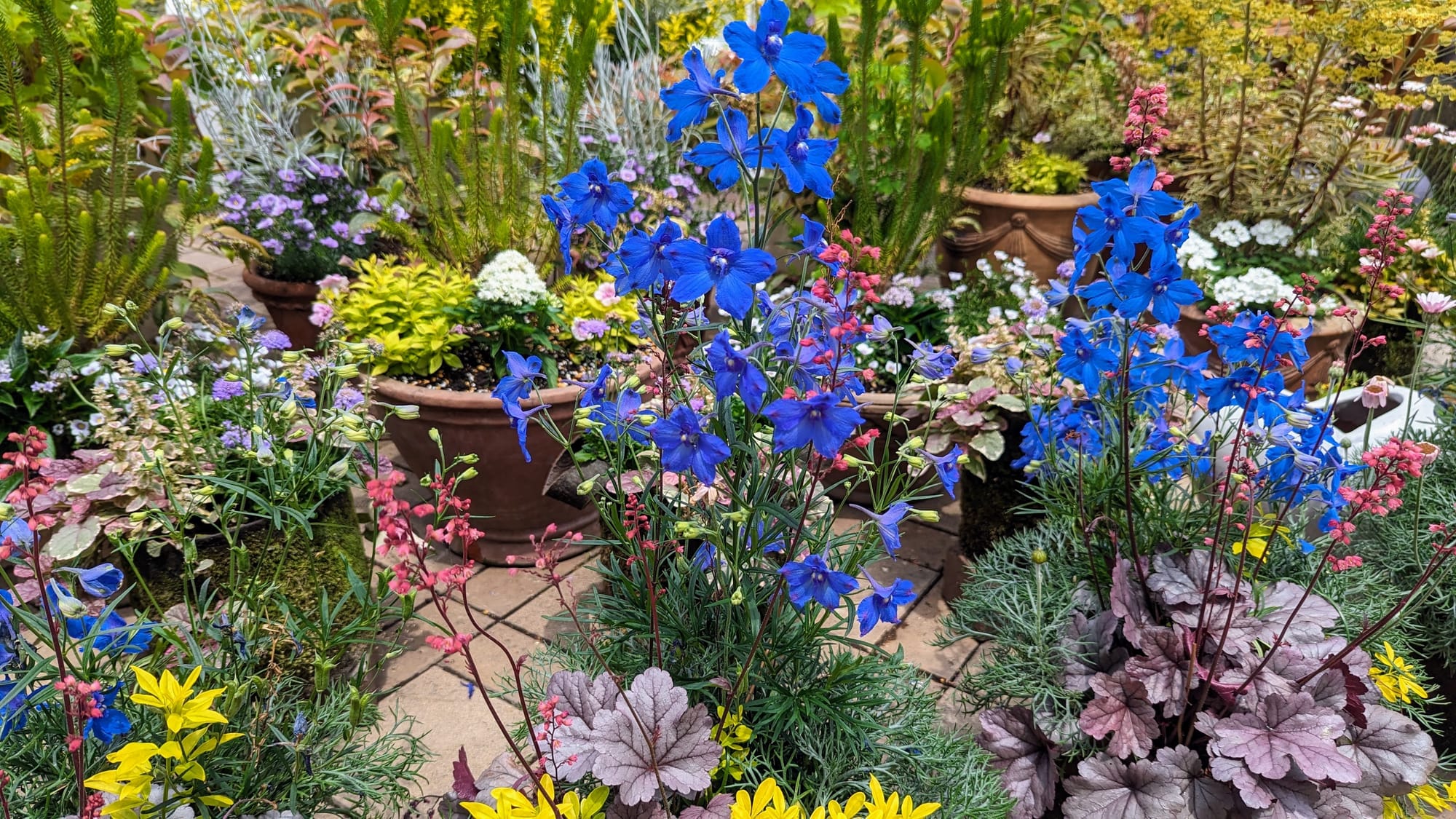
Wow, 200 posts!
I'm celebrating because we've reached post #200! (This one!) It's amazing to think of all the collaborations, questions answered, conversations, and uplifting joy that we've shared together. Thank you (yes, you!) for your continued support. I couldn't do it without you.
Amplify Respect is a newsletter to uplift and inform trans folks and allies.
If you find it helpful to learn how to talk about a trans family member, how to promote your work as an LGBTQ+ creator, or how to write about trans people respectfully, you should subscribe.
What resonates with you and feels helpful as a trans person or ally? Join the conversation and let us know in the comments!