
One question that I've heard a few times from parents goes something like: my kid wears dresses/pink/jewelry/etc and says he is a boy. What am I supposed to do with that?
Well, you don't have to look a particular way to have a particular gender.
It's a common misconception that the clothes people wear somehow need to define who they are.
Misgendering someone is incorrect and disrespectful regardless of whether someone "looks like" their gender.
Boys and men can wear dresses, and it doesn't make them any less male. Girls and women can also wear dresses, and it doesn't make them any less female, either.
Let me illustrate for you what can go wrong when humans fall into the irresistible urge to name creatures based on what they look like.
(We are diving into a highly tangential bird story - consider yourself warned!!)
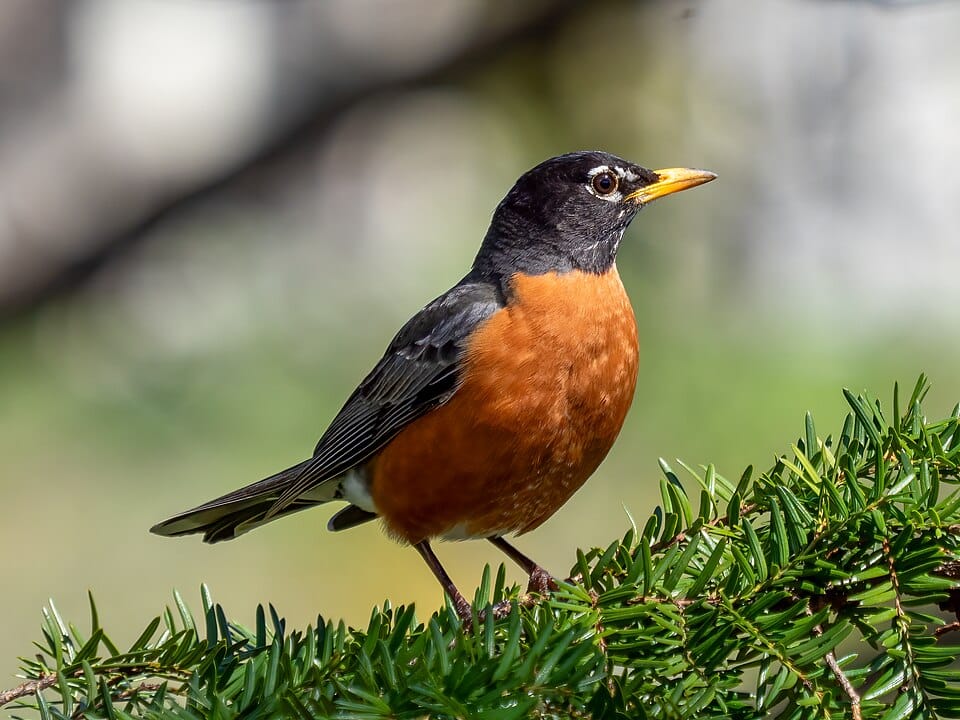
If you're in the US, you probably have seen robins. They are chunky, solid birds who spend most of their time on lawns staring at things, then hop, hop, hop, and eat worms. They look like this:
But if you're in Europe, you're probably thinking, wait, that's not a robin. Robins look like this!
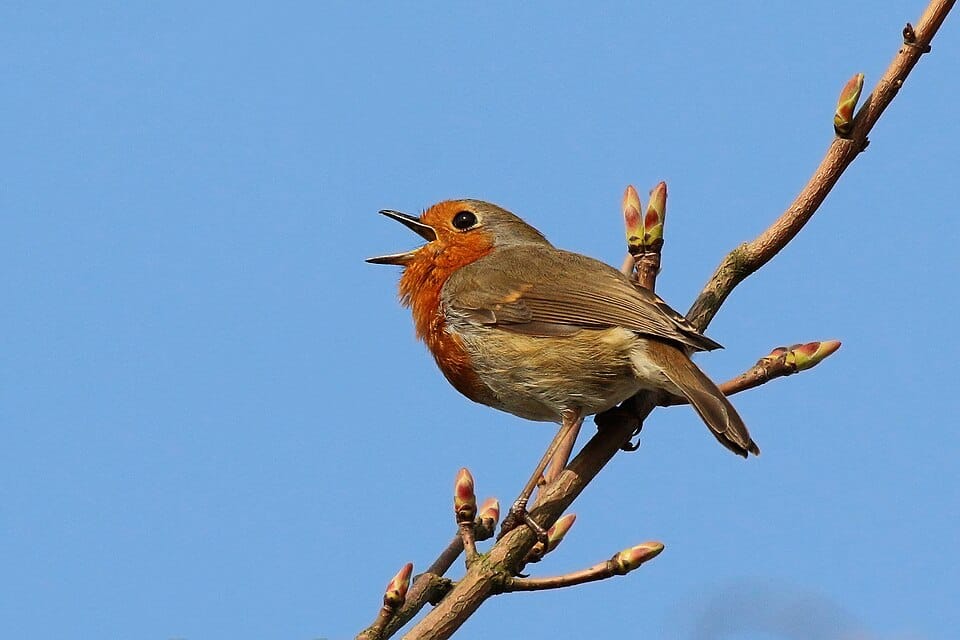
It gets wilder. These birds are not particularly related. The American robin is a thrush, with that stocky body and worm-foraging habits. The European robin is a flycatcher!
If that blows your mind, stick with me. Are you familiar with blackbirds? Are you sure?
There's a number of different blackbirds in the US. This one is a grackle:
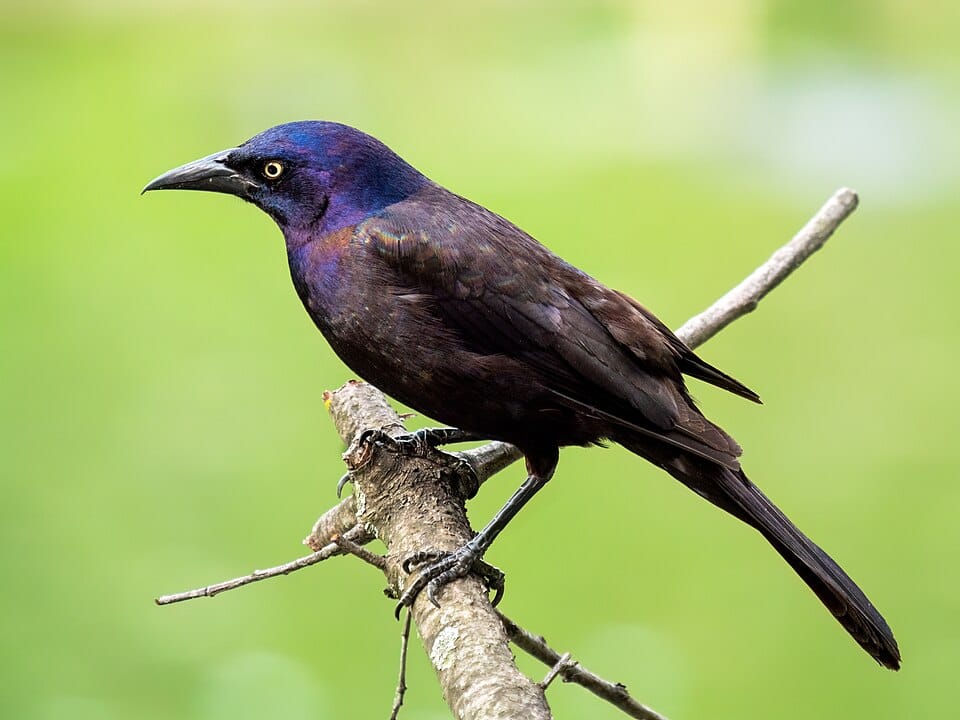
American grackles and other "blackbirds" are icterids, related to orioles.
Here's a Brewer's blackbird in California:
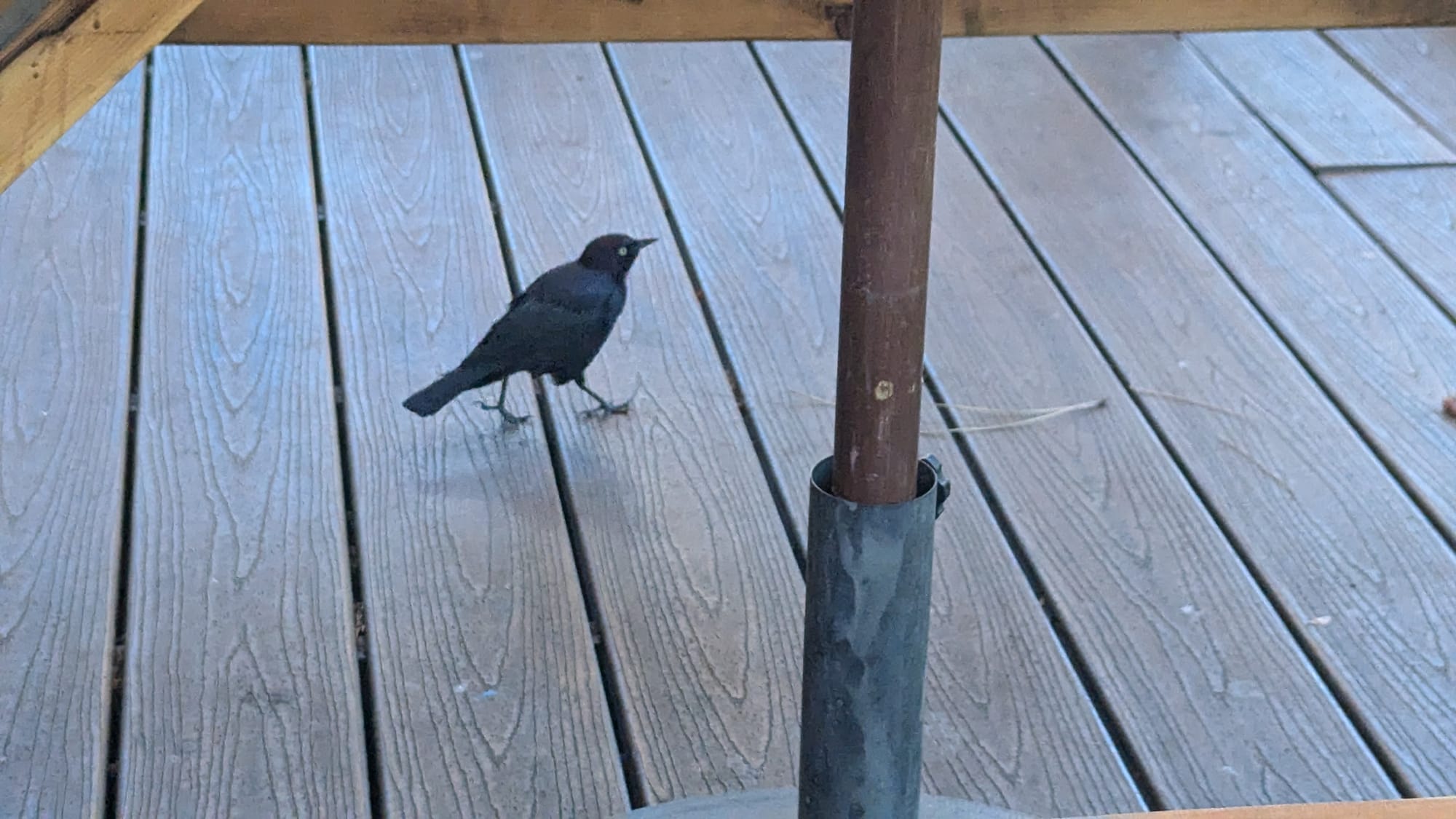
But if you're in Europe, blackbirds look like this:
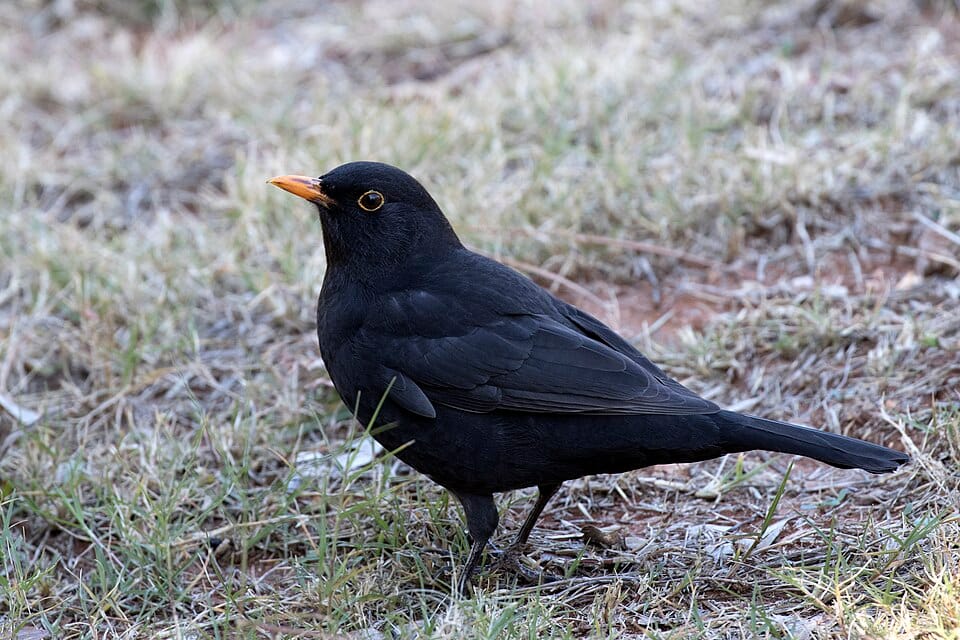
Look at that chunky body, and how they're foraging for worms in the grass. (I spared you the worm-eating photo from Wikimedia - you're welcome.)
If you ignore the color, they're basically an American robin, right? It turns out the European blackbird is also a thrush, just like the American robin.
I find this fascinating as an example of how humans classify and name creatures.
Returning to the realm of human culture, we also commonly classify people based on what they look like, whether or not it's accurate.
But while the blackbirds and robins do not care at all how we classify them, these assumptions can really make a difference among humans in our community.
And people really stick to their assumptions. I've heard a trans woman complaining about going to the mall with long hair, light makeup, a skirt, and heels, and being gendered "sir" by salespeople.
Think about it for a second - what else could someone do to indicate even more that she is a woman to the general public? The salespeople in this case are so incorrect and are being discriminatory. If they are truly unsure of someone's gender, they really should default to omitting the "sir" or "ma'am" from a brief interaction.
I share this to show that even when someone is gender-conforming, with a look fitting societal expectations, people's assumptions can still be wrong.
We also need to have more compassion and understanding for trans kids (and trans adults) who don't stay within the box of "this is what boys/girls/gender-neutral children should look like."
It's hard to look a certain way. Having a look often requires money, access, resources, and the desire to work on conforming to those expectations. Many people don't want to or can't look like society's expectations.
And that's all good! People should have the freedom to express themselves, right? Sometimes that means not conforming to norms.
We can learn to adjust our classification system to include trans and gender non-conforming people.
So if you have a kid who wears clothes that you don't understand, first of all, welcome to parenthood.
But also, your kid has told you who he is, in our example. Clothes, like a dress, don't change that. You can call him "he," let him wear the dress, and trust that he knows himself. Yes, these choices can be difficult socially, with bullies and people who don't understand. But it will mean so much if you are supportive.
And if you get it wrong sometimes? That's okay. Birders update names and classifications all the time when they learn something new. We can all be open to learning new things, apologizing briefly when we get it wrong, and understanding that our assumptions are only the first step.
Read more:
If you're interested in more interesting bird stories from someone who also discusses gender occasionally, I recommend checking out the excellent newsletter:
 ryan mandelbirder
And for even more interesting birds + gender, check out my article on intersex ducks:
 Rey Katz
What questions do you hear from kids in your life? Let us know in the comments!


.jpg?ref=amplifyrespect.com)
_singing_2.jpg?ref=amplifyrespect.com)
.jpg?ref=amplifyrespect.com)
